
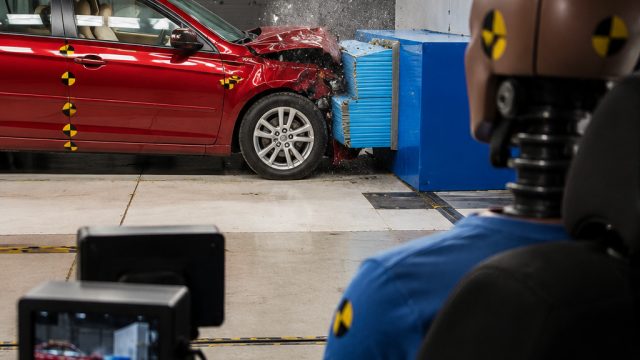
A recent analysis sheds light on the vital role of crash testing conducted by the Insurance Institute for Highway Safety (IIHS) over the last 30 years. The findings suggest that these tests have not only saved an estimated 50,000 lives but also resulted in an economic benefit of approximately $538 billion. As road safety continues to be a pressing concern, understanding the impact of such testing is more crucial than ever.
The Significance of IIHS Crash Tests
Since their inception, IIHS crash tests have been pivotal in shaping vehicle safety standards in the automotive industry. By evaluating how vehicles perform in various crash scenarios, IIHS has influenced manufacturers to improve safety features, thereby reducing the risk of injury and fatalities in real-world accidents.
How Crash Tests Save Lives
- Informed Consumer Choices: The results from IIHS crash tests empower consumers to make informed decisions when purchasing vehicles. A vehicle with high safety ratings often equates to lower risk on the road.
- Enhanced Safety Features: Manufacturers are encouraged to innovate and incorporate advanced safety technologies, such as airbags and crumple zones, to achieve better test results.
- Regulatory Influence: IIHS's rigorous testing has pushed lawmakers to consider stricter safety regulations, contributing to overall improvements in vehicle design and safety.
The Economic Impact
The financial implications of improved road safety cannot be overstated. The $538 billion in savings attributed to fewer accidents includes a wide range of factors:
Breakdown of Economic Benefits
- Medical Costs: Fewer traffic fatalities lead to a significant decrease in medical expenses that arise from accident-related injuries.
- Property Damage: A reduction in crashes also translates to lower property damage claims, benefiting both insurers and consumers.
- Increased Productivity: By lowering the number of life-altering injuries and fatalities, the workforce remains healthier and more productive, further boosting the economy.
Challenges Ahead for Road Safety
While the IIHS has made substantial strides in enhancing vehicle safety, challenges still loom on the horizon. The rise of distracted driving due to mobile devices and other factors continues to pose significant risks to road safety.
Future Directions for Improvement
To combat these challenges, ongoing efforts are necessary:
- Education Initiatives: Campaigns aimed at raising awareness about the dangers of distracted driving can help shift public behavior.
- Innovative Safety Technologies: Continued investment in research and development for advanced driver-assistance systems (ADAS) is essential.
- Collaboration with Automakers: Ongoing partnerships between IIHS and car manufacturers can lead to continuous improvements in vehicle safety standards.
Conclusion: A Call to Action
The compelling findings of this recent study underline the importance of IIHS crash tests in saving lives and providing substantial economic benefits. As we approach a future where vehicle safety remains a priority, it is imperative for consumers, manufacturers, and policymakers to work together in promoting safer roads. The lessons learned from past testing will guide us in addressing modern challenges, ensuring that we continue on the path towards reducing traffic fatalities significantly.
