
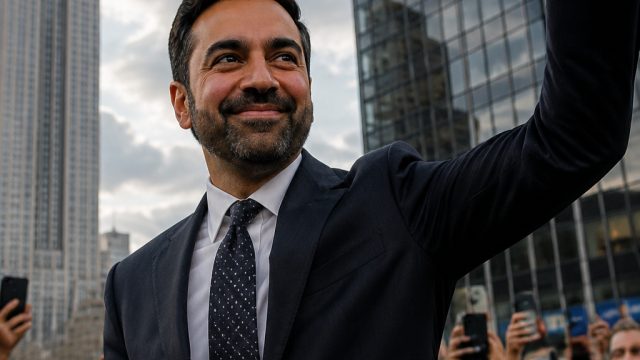
In a stunning turn of events, New York Representative Dan Goldman has lost his seat to a challenger backed by fellow Democrat, Mamdani. This unexpected outcome has sent shockwaves through the political landscape as it signals a potential shift in voter sentiment and party dynamics heading into the next election cycle.
The Context of the Election
The recent election in New York was closely watched not only for its immediate implications but also for what it could mean for the broader Democratic Party. Goldman, who had positioned himself as a formidable incumbent, faced a spirited campaign from a candidate endorsed by Mamdani, who has gained traction among younger voters and progressives. This election outcome is particularly significant given the challenges Democrats are expected to face in the upcoming national elections.
Background on Dan Goldman
Dan Goldman, a former federal prosecutor, was elected to Congress in 2021. Known for his legal acumen and prior role in the impeachment inquiry against Donald Trump, Goldman had established a reputation as a key player in the party. However, recent polling indicated growing discontent among his constituents, particularly regarding issues such as healthcare and economic disparities.
The Rise of Mamdani
Mamdani, a newcomer to political office, has rapidly gained a following. His campaign focused on progressive issues that resonate with younger demographics, emphasizing social justice, climate change, and reforming the criminal justice system. The endorsement and support from notable figures within the party provided him with critical momentum.
Electoral Implications
This election result raises important questions about the future direction of the Democratic Party, especially as it pertains to engaging younger voters. Analysts are already speculating on the potential for a broader shift in candidate selection and party strategy, as traditional incumbents like Goldman face challenges from less established candidates who resonate more with today's electorate.
Changing Voter Dynamics
- Younger Voter Engagement: Voter turnout among younger demographics is rising, reflecting a growing desire for representation that aligns with their progressive values.
- Future Candidates: The success of Mamdani may encourage other emerging leaders to challenge incumbents, potentially altering the political landscape significantly.
- Policy Focus: Candidates may need to adapt their platforms to address the pressing concerns of today's voters, including economic inequality and climate action.
The National Landscape and Future Challenges
As the Democratic Party gears up for the 2024 elections, the results of this New York race could serve as a warning signal. The party must consider whether it will maintain its current strategy or pivot towards a platform that prioritizes the issues most important to younger and more progressive voters.
What Lies Ahead
With this electoral upset, Goldman's defeat could pave the way for a new generation of leadership within the party. As established candidates face increased scrutiny and competition, the need for adaptable and responsive governance has never been more crucial. Observers will be keenly watching how this shift may influence both state and national elections moving forward.
Conclusion
Mamdani's victory over Goldman is more than just a single electoral outcome; it is a reflection of the evolving political landscape in America. As voter preferences shift, it remains to be seen how incumbents will respond and what strategies they will employ to connect with an increasingly diverse electorate. The implications of this election will undoubtedly resonate beyond New York, shaping the future of the Democratic Party as it navigates the complexities of modern governance.
