
Introduction
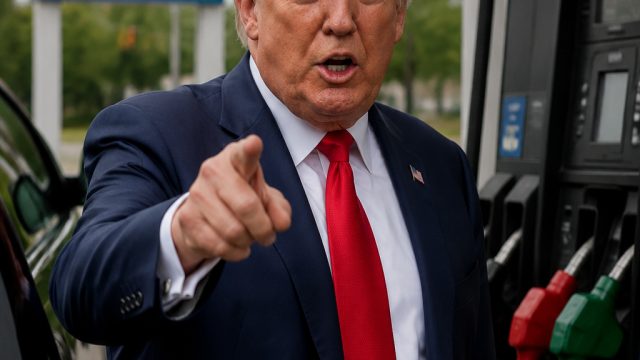
In a recent statement that has captured national attention, former President Donald Trump has accused oil companies of engaging in price gouging at gas stations across the United States. This accusation coincides with a notable decline in crude oil prices, which recently dipped below $70 per barrel. As the nation grapples with fluctuating fuel costs, Trump's call for a Department of Justice (DOJ) investigation aims to bring greater scrutiny to the oil industry's pricing practices. This situation is particularly relevant as consumers continue to feel the financial pinch at the pump.
Rising Concerns Over Gas Prices
The backdrop of Trump's allegations is marked by rising gas prices that have perplexed both consumers and analysts alike. Despite the decrease in crude oil costs, prices at the pump have not followed suit, leading many to question the rationale behind the disparity. Trump's assertion of price gouging suggests that oil companies may be exploiting the situation for profit, a claim that has sparked debate.
Understanding Price Gouging
Price gouging refers to the practice of raising prices to an unreasonable or unfair level, often during times of crisis or significant demand. In this context, it raises critical questions about the ethics of oil pricing, especially when consumers are already burdened by economic challenges. The former president's demand for a federal inquiry intends to assess whether oil companies have engaged in unfair practices.
Current Oil Market Dynamics
- Crude Oil Price Trends: Recently, crude oil prices have experienced a downturn, prompting discussions about the sustainability of current gasoline prices.
- Supply Chain Factors: The complexity of the oil supply chain, including transportation issues and refinery bottlenecks, plays a significant role in determining gas prices.
- Global Events: Geopolitical tensions and changes in production levels from major oil-producing countries can heavily influence market prices.
The Impact on Consumers
For everyday consumers, high gas prices can have far-reaching effects. When fuel costs rise, they not only impact individual budgets but also ripple through the economy, affecting everything from food prices to transportation expenses. Trump's allegations reflect a broader concern among the public about the fairness of pricing in essential markets.
How Rising Gas Prices Affect Daily Life
In high-cost environments, consumers may face the following challenges:
- Increased commuting costs, leading to a strain on household budgets.
- Higher prices for goods and services, as transportation costs influence supply chains.
- Potential shifts in consumer behavior, with some individuals opting for less travel or more economical transportation alternatives.
Calls for Legislative Action
Trump's pressing of the DOJ for an investigation is not merely a political maneuver; it highlights growing frustration among voters. As gas prices remain a hot-button issue, legislators on both sides of the aisle may feel compelled to respond. This could lead to discussions on regulatory reforms or measures aimed at increasing transparency in oil pricing.
Possible Outcomes of the Investigation
If the DOJ proceeds with an investigation, several outcomes could emerge:
- Increased regulatory scrutiny on oil companies and their pricing mechanisms.
- Potential legal ramifications for companies found guilty of price gouging.
- A renewed focus on alternative energy sources and policies aimed at reducing consumer reliance on fossil fuels.
Conclusion
The intersection of politics, consumer rights, and market dynamics is pivotal in understanding the current discourse surrounding gas prices in the United States. Trump's accusations against oil companies have ignited a significant conversation about fairness in pricing, particularly as the cost of living continues to be a pressing concern for many Americans. As the situation unfolds, the implications of his call for a DOJ investigation could reverberate through the economy, prompting both consumers and policymakers to reassess the landscape of fuel pricing.
