
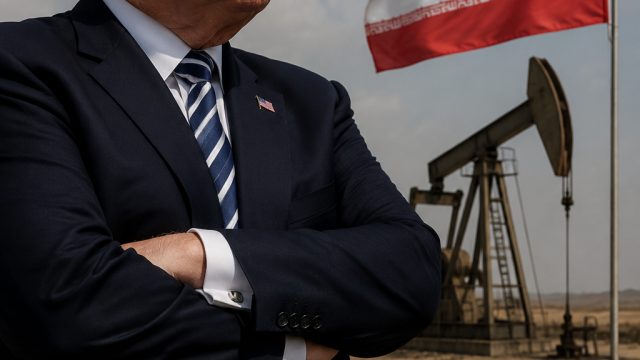
Trump's Stance on Iran's Oil Profits Raises Concerns
In a recent statement, former President Donald Trump expressed uncertainty regarding whether Iran would refrain from using its oil revenues to strengthen its military capabilities. This cautious position comes as the U.S. government, under Secretary of the Treasury Janet Yellen, has allowed the import of Iranian oil and refined products, highlighting a complex geopolitical landscape that demands attention.
The Context of Oil Imports from Iran
The U.S. has had a tumultuous relationship with Iran, especially concerning its oil exports. The lifting of restrictions on Iranian oil imports, which Secretary Yellen has authorized until at least August, marks a significant shift in U.S. foreign policy. This change raises critical questions about how the revenues generated from these imports will be utilized by the Iranian government.
Implications for Military Funding
Trump's comments highlight a critical concern: will the influx of funds from oil profits bolster Iran's military? The Iranian government has a history of allocating resources towards military expansion and regional influence, which has been a point of contention in international relations.
Why This Matters Now
The timing of this discussion is pivotal. As global oil prices fluctuate and geopolitical tensions rise, understanding the implications of U.S. policy on Iran is essential. The authorization of oil imports is not just an economic decision; it could have far-reaching consequences for international security.
Potential Impact on Global Stability
- Increased Regional Tensions: If Iran utilizes oil profits for military enhancement, it could escalate conflicts in the Middle East.
- Repercussions for Allies: U.S. allies in the region might feel threatened, prompting them to reconsider their defense strategies.
- Economic Consequences: The dynamics of global oil markets may shift, influencing prices and availability for other nations.
The Role of International Diplomacy
As Trump navigates these complex waters, the role of international diplomacy cannot be understated. Engaging with allies and adversaries alike is critical in mitigating potential conflicts that may arise from Iran's use of oil revenues.
Strategies for Engagement
Moving forward, the U.S. may need to explore various strategies to ensure that Iran's oil profits do not contribute to military aggression:
- Establishing stricter monitoring mechanisms for oil exports.
- Collaborating with international partners to promote stability in the region.
- Encouraging diplomatic dialogues to address security concerns.
Conclusion: A Call for Vigilance
Trump's hedging on Iran's military use of oil profits signals a need for heightened vigilance regarding U.S. foreign policy and its implications for global security. As the situation evolves, the international community must remain engaged and proactive in addressing potential threats. The stakes are high, and the world is watching closely as these developments unfold.
