
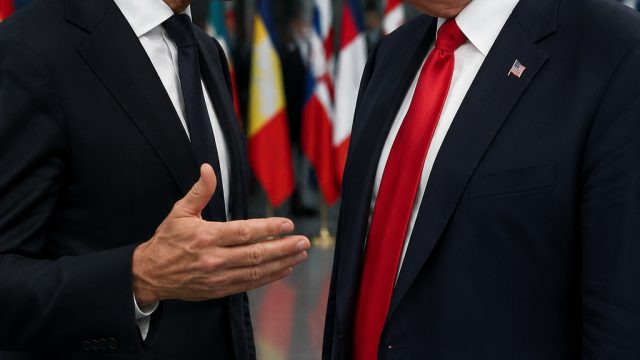
In the ever-evolving landscape of international diplomacy, Dutch Prime Minister Mark Rutte is currently walking a tightrope, managing the delicate balance between the expectations of NATO allies and the often unpredictable stance of former U.S. President Donald Trump. As the world braces for significant geopolitical shifts, understanding Rutte's approach is crucial for comprehending the future of NATO and transatlantic relationships.
The Current Geopolitical Climate
The NATO alliance, comprised of 31 member countries, faces unprecedented challenges as tensions rise globally. The looming shadow of Trump's potential 2024 presidential run adds another layer of complexity, as he has previously questioned the U.S. commitment to NATO.
The Impact of Trump's Foreign Policy
- Isolationist Tendencies: Trump's America First policy has raised concerns among European leaders, who fear a more isolationist U.S. approach.
- Defense Spending Disputes: Trump’s critiques of NATO members regarding their defense expenditures have created friction within the alliance.
- Changing Alliances: As Trump's influence persists, some European nations may reconsider their defense strategies and alliances.
Rutte's Approach to NATO and Trump
Rutte has consistently advocated for a unified NATO while acknowledging the concerns that arise from Trump's rhetoric. His strategy involves:
Open Communication
Rutte emphasizes the importance of dialogue within NATO. By fostering open lines of communication, he aims to mitigate misunderstandings and reinforce collective security commitments.
Strengthening European Defense
In response to the uncertainty surrounding U.S. support, Rutte has championed initiatives to bolster European defense capabilities. This includes:
- Investing in military modernization programs.
- Enhancing cooperation among EU nations for joint defense projects.
- Encouraging member states to meet and exceed NATO's defense spending targets.
The Future of NATO Under Uncertain Conditions
The upcoming elections in the U.S. could dramatically alter the trajectory of NATO's future. Should Trump reclaim the presidency, Rutte and his allies will need to navigate an alliance that may face a more unilateral approach from the U.S.
Potential Outcomes of a Trump Presidency
In the event of Trump’s return to power, several scenarios may unfold:
- Increased Pressure on Allies: NATO members may face renewed expectations regarding defense contributions.
- Shifts in Strategic Focus: A pivot towards Asia could marginalize European security concerns.
- Intra-NATO Strain: Diverging views on global threats could lead to fractures within the alliance.
Rutte's Long-term Vision for NATO
Mark Rutte's diplomatic strategy is not just a short-term fix; it's a long-term vision aimed at ensuring NATO's relevance in a time of uncertainty. By reinforcing European defense mechanisms and fostering collaboration, Rutte seeks to create a resilient alliance capable of adapting to changing global dynamics.
As the world observes Rutte's moves on the geopolitical chessboard, it becomes increasingly clear that the future of NATO relies heavily on how effectively leaders can manage both internal and external pressures. The stakes are high, and the implications for international security are profound, making Rutte’s balancing act one to watch closely in the months ahead.
In conclusion, as NATO navigates the complexities of its relations with the United States and its own member states, Rutte's approach exemplifies the delicate art of diplomacy in a time of uncertainty. His leadership may very well shape the future of the alliance and its role on the world stage.
