
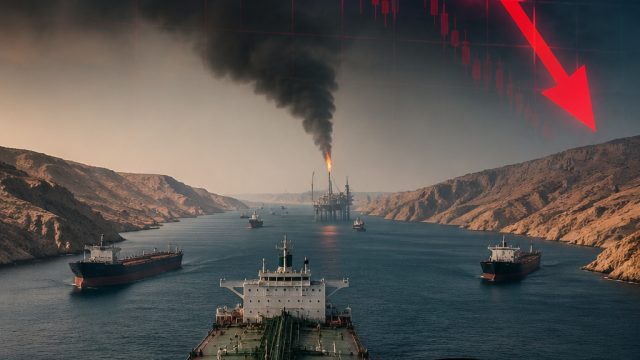
Oil Prices Plummet Amid Increased Shipping Risks in Hormuz Strait
In a surprising turn of events, oil prices have experienced a significant drop as tensions rise in the strategic Hormuz Strait, a vital shipping lane for crude oil. The implications of these developments are not only crucial for oil markets but also reflect broader geopolitical dynamics that affect global economies.
The Current State of Oil Prices
Recent reports indicate that oil prices have fallen sharply, with a notable reaction from traders and market analysts. As of now, the price of Brent Crude has slipped below $80 per barrel, marking a significant decline from the highs observed earlier this year. This downturn can be attributed to several factors, primarily the increased risks associated with shipping through the Hormuz Strait, which is crucial for oil transportation from the Persian Gulf.
Factors Contributing to the Decline
- Geopolitical Tensions: Ongoing conflicts and military activities in the region have raised concerns about the safety of shipping routes, prompting fears of supply disruptions.
- Market Speculation: Traders are reacting to the potential risks, leading to sell-offs that exacerbate price declines.
- Increased Supply: Recent increases in oil production from regions outside OPEC, such as the U.S., are contributing to a market surplus.
Why This Matters Now
The current fall in oil prices is not just a fleeting trend; it presents significant implications for global economies, particularly those dependent on oil imports. Countries across the world are keeping a close eye on these developments, as fluctuating oil prices directly impact inflation rates, transportation costs, and overall economic stability.
Impact on Consumers and Businesses
For consumers, lower oil prices may seem beneficial at first glance, potentially translating to reduced fuel costs. However, the volatility in prices can lead to uncertainty in the market, affecting long-term investments and economic planning.
Businesses that rely heavily on oil, particularly those in the transportation and manufacturing sectors, may face challenges as they navigate these changing conditions. The current landscape requires companies to adopt agile strategies to manage costs effectively.
Potential Outcomes for the Oil Market
Looking ahead, market analysts are considering various scenarios regarding the future of oil prices. The dynamics within the Hormuz Strait will play a pivotal role in shaping these outcomes. Here are some potential scenarios:
- Continued Price Volatility: As geopolitical tensions fluctuate, we may see further swings in oil prices, complicating market predictions.
- Supply Chain Adjustments: Oil producers may adjust their production levels in response to changing prices, impacting global supply chains.
- Increased Focus on Alternative Energy: The unpredictability in oil markets might accelerate the shift towards renewable energy sources, as countries seek to reduce their reliance on oil.
Conclusion
The recent slump in oil prices amid growing shipping risks in the Hormuz Strait underscores the intricate relationship between geopolitical events and economic realities. As markets continue to absorb this information, stakeholders across the globe must remain vigilant. Understanding these trends is essential for making informed decisions in an ever-changing energy landscape.
Stay tuned for more updates on oil prices and market dynamics on xelmado.com.
