
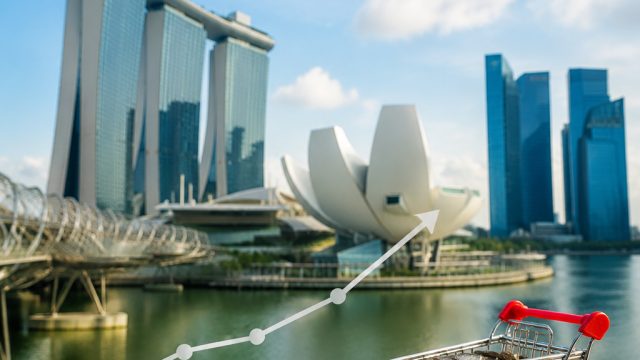
Singapore's Inflation Rate Remains Steady at 1.8% in May
In May 2026, Singapore's inflation rate held steady at 1.8%, a figure that may come as a relief to economists who anticipated higher numbers. This stability reflects a decrease in service costs, indicating potential shifts in consumer behavior and spending patterns. As residents navigate this ongoing economic landscape, understanding the implications of this rate is crucial.
Core Inflation Insights: A Deeper Look
Core inflation, which excludes volatile items such as accommodation and private transportation, was reported at 1.4% for May. This metric is essential as it gives a clearer picture of the underlying inflation trends affecting everyday life.
Why Core Inflation Matters
- Stability of Prices: A low core inflation rate suggests that essential goods and services are remaining relatively stable in price.
- Consumer Confidence: When consumers see stable prices, they are more likely to spend money, boosting the economy.
- Policy Implications: Policymakers can make informed decisions based on core inflation metrics, potentially affecting interest rates and monetary policy.
What Influences Singapore's Inflation Rate?
Several factors contribute to maintaining Singapore's inflation rate at its current level:
- Service Sector Trends: The decline in service costs has played a significant role in keeping inflation subdued. As the economy shifts post-pandemic, this sector's performance is critical.
- Global Economic Conditions: External inflationary pressures can affect local rates, but Singapore's economy remains resilient.
- Government Policies: Fiscal and monetary policies aimed at stabilizing the economy can help mitigate inflation spikes.
The Broader Economic Impact
Understanding the current inflation rate is vital for both consumers and businesses. Here’s how it affects various sectors:
For Consumers
- Budget Planning: With inflation holding steady, families can make more predictable budget plans.
- Spending Decisions: Stable prices may encourage consumers to spend on non-essentials, further driving economic growth.
For Businesses
- Pricing Strategies: Companies may find it easier to set prices without fear of rapid inflation.
- Investment Decisions: A predictable inflation rate can lead businesses to invest more confidently in growth opportunities.
Looking Ahead: What’s Next for Singapore’s Economy?
As Singapore navigates through 2026, the focus will remain on monitoring inflation and the service sector’s performance. Analysts suggest that as long as service costs continue to ease, inflation may remain stable. However, potential global economic shifts could disrupt this balance.
Investors and consumers alike will be closely watching how government policies evolve in response to these inflation figures. The central bank’s decisions regarding interest rates will also play a crucial role in shaping Singapore’s economic landscape.
In Conclusion
Singapore's inflation rate holding at 1.8% for May 2026 indicates a period of relative economic stability. With core inflation also remaining low, consumers may find it easier to plan their finances, while businesses can confidently strategize for growth. Keeping an eye on service sector trends and global economic indicators will be essential in the coming months as Singapore continues its recovery journey.
