
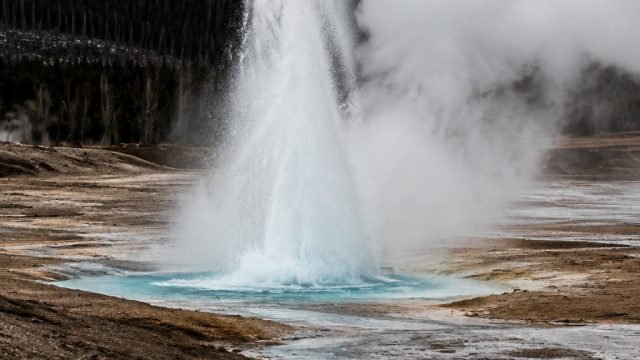
Yellowstone National Park, renowned for its breathtaking landscapes and geothermal marvels, has once again captured the world's attention following another hydrothermal explosion. This unexpected event has sparked discussions among scientists and park officials about the implications for both the park's ecosystem and visitor safety.
Understanding Hydrothermal Explosions
Hydrothermal explosions occur when underground water heated by molten rock rapidly expands and erupts, creating a geyser-like effect. The latest explosion, reported near Biscuit Basin, has resulted in the formation of a new thermal pool, approximately 20 feet wide. These phenomena are not entirely new; however, their frequency has increased, raising eyebrows regarding geological stability in the region.
What Triggered the Latest Explosion?
The specific triggers behind hydrothermal explosions can often be complex, involving various geological and climatic factors. In Yellowstone, the interplay between the park's volcanic history and current water table conditions contributes to these explosive occurrences. The United States Geological Survey (USGS) closely monitors such activity, providing valuable data to understand and predict future events.
Visitor Safety: Staying Informed
As the frequency of these hydrothermal explosions rises, visitor safety remains a prime concern for park officials. With thousands of tourists flocking to Yellowstone annually, it's critical that visitors are aware of the risks associated with geothermal areas.
Safety Guidelines for Visitors
- Stay on designated trails and boardwalks to avoid hazardous thermal features.
- Maintain a safe distance from thermal pools and geysers to prevent burns or injuries.
- Pay attention to park alerts and updates from the USGS regarding geothermal activity.
- Always heed park rangers' advice and instructions during your visit.
The Broader Implications of Increased Activity
The uptick in hydrothermal explosions prompts a wider discussion about the natural dynamics of Yellowstone. As one of the most active volcanic regions in the United States, the park operates as a natural laboratory for researchers studying geothermal energy and volcanic activity.
Environmental Impact
The explosions can alter local ecosystems, creating new habitats while also destroying existing ones. Understanding these changes is critical for conservation efforts. Scientists focus on how these events affect flora and fauna in the area, and their research may provide insights into the resilience of ecosystems in the face of geological changes.
Future Monitoring and Research Efforts
The increasing occurrences of hydrothermal activity mean that ongoing research and monitoring are essential. Programs established by organizations like the USGS aim to enhance predictive capabilities regarding geothermal events, ensuring that risks are managed effectively and that safety measures are updated as needed.
Conclusion: Staying Updated on Yellowstone's Geothermal Activity
With another hydrothermal explosion marking the dynamic nature of Yellowstone National Park, both enthusiasts and casual visitors should remain informed about the ongoing geological changes. As scientists work to understand the implications of these events, visitors are encouraged to respect the park's natural features and heed safety recommendations. Keeping abreast of updates from park officials will ensure that future visits remain safe and enjoyable.
