
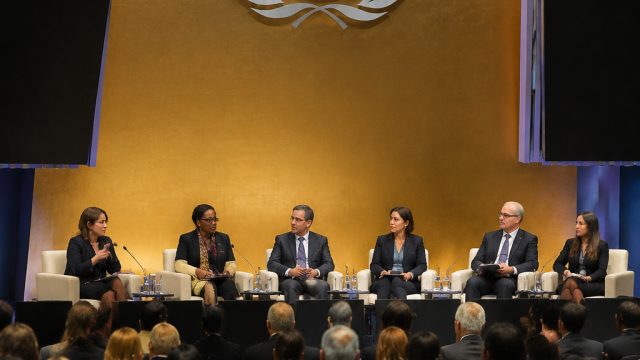
A significant movement is taking shape at the United Nations, as an alliance of countries and organizations has urged for an international moratorium on surrogacy practices. This plea, presented at a recent U.N. event, raises profound ethical questions and highlights the urgent need for regulation in the surrogacy industry.
The Coalition's Stance
The coalition, comprising various human rights advocates and governmental representatives, aims to address the ethical and legal dilemmas surrounding surrogacy. At the heart of their argument is the concern for the rights of surrogate mothers and the potential exploitation that can occur in this complex arrangement.
Key Arguments for a Moratorium
- Protection of Women: Advocates assert that many women, particularly in less developed countries, may be coerced into surrogacy due to economic hardship, leading to potential exploitation.
- Child Welfare: Concerns are also raised about the welfare of children born through surrogacy, including questions about their rights and identity.
- Ethical Concerns: The commodification of human life is a central theme in the coalition's arguments, questioning the moral implications of treating childbirth as a commercial service.
Current Landscape of Surrogacy
Surrogacy has become an increasingly prevalent option for couples seeking to start a family, especially in the face of rising infertility rates and societal acceptance of alternative family structures. However, the lack of harmonized laws across countries means that practices vary greatly, often leading to legal gray areas and ethical dilemmas.
International Variation in Surrogacy Laws
Countries have adopted differing stances on surrogacy, ranging from outright bans to fully legalized frameworks. For example:
- United States: Surrogacy laws differ by state, creating a patchwork of legal recognition and protection for surrogates and intended parents.
- India: Once a popular destination for surrogacy, India has tightened regulations, now only allowing altruistic surrogacy for Indian citizens.
- United Kingdom: The UK allows surrogacy but restricts payments to only covering expenses, with legal parenthood not automatically granted to intended parents.
Possible Implications of a Moratorium
If the U.N. coalition's call for a moratorium is heeded, it could lead to widespread changes in how surrogacy is viewed and practiced globally. Here are some potential outcomes:
- Legal Reforms: Countries may initiate comprehensive reviews of their surrogacy laws to protect the rights of all parties involved.
- Increased Awareness: The movement could prompt greater public discourse on the ethical implications of surrogacy, leading to more informed choices by intended parents.
- Support for Surrogates: Enhanced support systems and resources could be developed for surrogates to address their rights and well-being more effectively.
Public and Expert Reactions
The response to the coalition's call has been mixed. While many human rights advocates and ethicists welcome the initiative, others view it as an infringement on reproductive rights and personal freedoms. Experts in reproductive health and law emphasize the need for a balanced approach that considers the needs and rights of surrogate mothers, intended parents, and the children born from these arrangements.
Voices from the Movement
Supporters of the moratorium argue that it is a necessary step to address the exploitation and ethical concerns associated with surrogacy. Notable figures within the coalition have stated:
- "Surrogacy should not be a market transaction; we need to prioritize human dignity above profits."
- "Every child deserves to know their origins and have their rights protected from the moment of conception."
Conclusion: The Road Ahead
The call for a global moratorium on surrogacy marks a pivotal moment in the conversation surrounding reproductive rights and ethics. As the conversation unfolds, it is crucial for all stakeholders—governments, health professionals, and potential parents—to engage in constructive dialogue. Ultimately, this movement could lead to significant advancements in ensuring that surrogacy is conducted ethically and with respect for all parties involved.
As the debate continues, it will be vital to monitor how this coalition progresses and whether their push will spark legislative changes worldwide. The implications of their call extend beyond just legal frameworks; they delve deeply into the ethical considerations of parenthood and human rights.
