
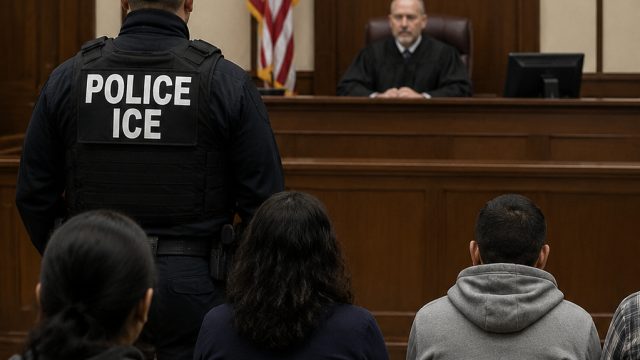
A recent ruling by a federal judge has made waves across the immigration landscape, blocking a controversial policy that allowed federal agents to arrest individuals at immigration courts. This decision signifies a potential shift in how immigration law is enforced in the United States, raising critical questions about the rights of immigrants and the legal processes they navigate.
The Background of the Policy
Under the Trump administration, a policy was implemented that allowed agents from the U.S. Immigration and Customs Enforcement (ICE) to conduct arrests within the premises of immigration courts. This move sparked significant backlash from immigrant rights advocates and legal professionals, who argued that such practices would deter individuals from pursuing legitimate legal remedies.
The Implications of the Ruling
- Increased Access to Justice: The ruling is expected to improve the access of immigrants to legal proceedings, as the fear of arrest at courthouses has been a substantial barrier to participation.
- Shifts in Immigration Enforcement: This judicial decision could lead to broader changes within immigration enforcement, potentially influencing how ICE operates in the future.
- Legal Precedents: The case may set a precedent for future legal challenges against similar policies, ensuring that immigrants are treated fairly within the judicial system.
Why This Matters Now
As the nation grapples with ongoing debates about immigration reform, this ruling comes at a pivotal moment. With various states adopting stricter immigration policies, the federal court's decision could act as a counterbalance, reaffirming the importance of due process for immigrants. It underscores the ongoing tension between enforcement and legal rights.
Reactions from Advocacy Groups
Immigrant rights organizations have largely praised the ruling. They argue that the ability to seek asylum or contest immigration-related issues in court should not come with the fear of immediate detention. The decision has been hailed as a victory for justice and a crucial step toward protecting the rights of vulnerable populations.
Potential Changes Ahead
Legal experts predict that this ruling could lead to a reconsideration of other enforcement tactics. As courts continue to evaluate the balance between national security and individual rights, it is likely that more legal challenges will emerge, questioning the legitimacy of policies that infringe upon the rights of immigrants.
Looking Forward
As the implications of this ruling unfold, it remains essential for immigrants to stay informed about their rights and any changes in legal practices. The landscape of immigration law is constantly evolving, and understanding these developments is crucial for those navigating the system.
Conclusion
The recent federal court ruling blocking arrests at immigration courts represents a significant moment in the ongoing dialogue about immigration policy in the United States. As the legal landscape shifts, it is crucial for all stakeholders—immigrants, legal professionals, and policymakers—to engage with these changes and advocate for a fairer judicial process. Moving forward, this decision may pave the way for a more equitable treatment of immigrants seeking justice in the U.S. legal system.
