
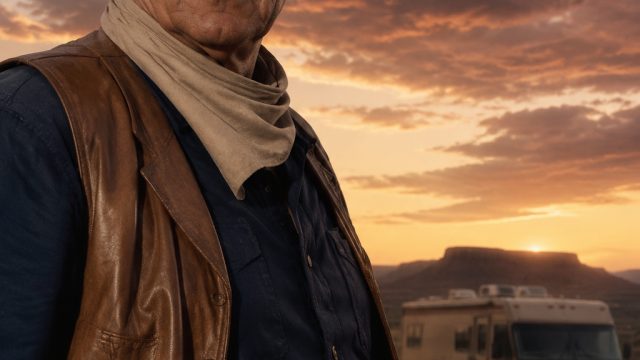
The finale of Breaking Bad stands as a monumental moment in television history, not only for its gripping narrative but also for the artistic influences that shaped its conclusion. One of the most significant inspirations cited is the work of legendary actor John Wayne. This article explores how Wayne's cinematic legacy played a pivotal role in the crafting of Breaking Bad's climactic scenes, and why this connection is especially relevant for fans today.
The Influence of John Wayne in Modern Storytelling
John Wayne, a stalwart in American cinema, is known for his iconic roles that defined the Western genre. His portrayals often embodied themes of moral complexity, rugged individualism, and the struggle between good and evil. These elements resonate deeply in Breaking Bad, particularly in the character arcs of Walter White and Jesse Pinkman, making Wayne's influence more palpable.
Exploring Iconic Scenes
One critical scene in Breaking Bad's finale draws direct inspiration from Wayne's films. The way Walter White confronts his adversaries channels the bravado and moral ambiguity that Wayne's characters exhibited. This homage not only serves to honor Wayne's legacy but also enriches the narrative depth of the series.
Thematic Parallels Between Wayne's Films and Breaking Bad
Breaking Bad and John Wayne's filmography share several thematic elements that highlight the complexities of human nature. Key themes include:
- Moral Ambiguity: Both Wayne's characters and Walter White navigate a world where right and wrong blur, emphasizing the consequences of choices made.
- Redemption and Downfall: Protagonists in Wayne's films often face their ultimate demise due to their flaws, akin to Walter's tragic end.
- Identity and Transformation: The evolution of characters from innocence to moral compromise is a shared narrative thread.
Why These Connections Matter Today
In an era where audiences crave depth in storytelling, understanding the roots of modern narratives, including Breaking Bad, provides insights into the evolution of character development in television. The connection to Wayne's films offers a lens through which to examine the complexities of the human experience as portrayed in contemporary media.
Breaking Bad: A Cultural Phenomenon
Breaking Bad revolutionized television storytelling and raised the standard for character complexity. By acknowledging John Wayne as an influence, we can appreciate how classic cinema continues to shape narratives today. This relationship between past and present entertainment not only enhances our viewing experience but also encourages us to explore the origins of storytelling tropes that remain relevant.
Engaging with the Legacy
For fans of Breaking Bad, revisiting John Wayne's films can deepen the appreciation of the series and its finale. Engaging with this connection allows for a richer understanding of the choices made by characters and the narrative’s overarching themes. As new generations discover both Wayne's cinema and Breaking Bad, the dialogue between classic and modern storytelling continues to evolve.
Conclusion
John Wayne's impact on the entertainment industry is undeniable, and its echoes can be found in the groundbreaking series Breaking Bad. By exploring this connection, we gain valuable insights into the storytelling techniques that define both classic and contemporary narratives. As we reflect on the finale of Breaking Bad and its homage to Wayne, we are reminded of the timeless nature of great storytelling and the enduring influence of cinematic legends.
