
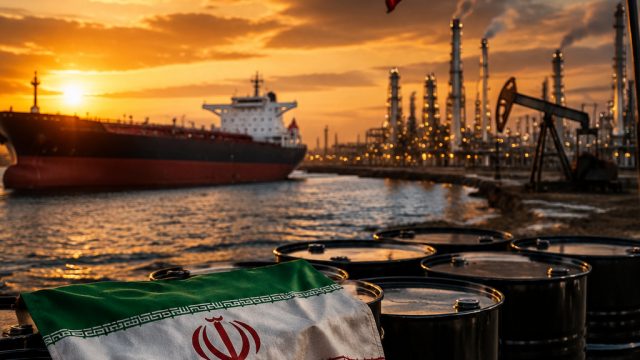
In a significant shift in foreign policy, the United States has recently announced the easing of sanctions on Iranian oil, a move that could unlock billions of dollars in revenue for Tehran. This decision has immediate implications for global oil markets, international relations, and the ongoing geopolitical tensions in the Middle East.
The Context of Eased Sanctions
The U.S. decision to lift certain sanctions on Iranian oil comes amid ongoing negotiations regarding Iran’s nuclear program. The easing of these restrictions is seen as a tactical move intended to incentivize Iran to adhere to international agreements surrounding its nuclear developments. According to experts, this is a calculated risk by the U.S. government to stabilize a volatile region and mitigate rising oil prices that have impacted global economies.
Why This Matters Now
The timing of this decision aligns with soaring crude oil prices that have been exacerbated by various global events, including the aftermath of the COVID-19 pandemic and the ongoing conflict in Ukraine. With energy costs increasing, the U.S. administration appears to be prioritizing economic stability for its allies as well as domestic consumers.
The Economic Impact on Iran
- Revenue Generation: The lifting of sanctions could potentially allow Iran to export oil freely, generating substantial revenue that could be reinvested into its economy.
- Market Competitiveness: Increased Iranian oil on the market may lead to lower prices globally, benefiting consumers but potentially hurting other oil-exporting nations.
- Investment Opportunities: With the possibility of renewed trade, foreign investments in Iranian infrastructure and energy sectors could resume.
Global Reactions and Geopolitical Ramifications
The easing of sanctions has drawn mixed reactions both domestically and internationally. While some view this as a step towards diplomatic engagement, others express concerns over Iran's continued nuclear ambitions and regional influence.
Countries heavily reliant on oil imports, especially those in Europe and Asia, are watching these developments closely. The implications extend beyond just oil prices; they touch upon issues of national security, alliances, and energy independence.
Potential Challenges Ahead
Despite the benefits of eased sanctions for Iran and global markets, several challenges loom on the horizon:
- Nuclear Compliance: Iran's commitment to upholding international agreements concerning its nuclear program remains uncertain.
- Regional Tensions: The dynamics in the Middle East could further complicate U.S. efforts, as regional adversaries may react to Iran's economic resurgence.
- Domestic Opposition: Within the U.S., there is significant political opposition to easing sanctions, with critics warning it could enable Iran’s hostile activities.
Looking Forward
As the world watches closely, the lasting effects of this decision will unfold over the coming months. It serves as a critical juncture in U.S.-Iran relations and the broader geopolitical landscape. The economic ramifications, coupled with the potential for renewed diplomatic dialogues, will shape international relations for the foreseeable future.
Conclusion
The easing of U.S. sanctions on Iranian oil is a pivotal development that underscores the complex interplay between international diplomacy and global economics. With billions potentially flowing back into the Iranian economy, the world must consider the broader implications that extend far beyond oil prices. For now, all eyes remain on Tehran and the international community's response to this noteworthy policy shift.
