
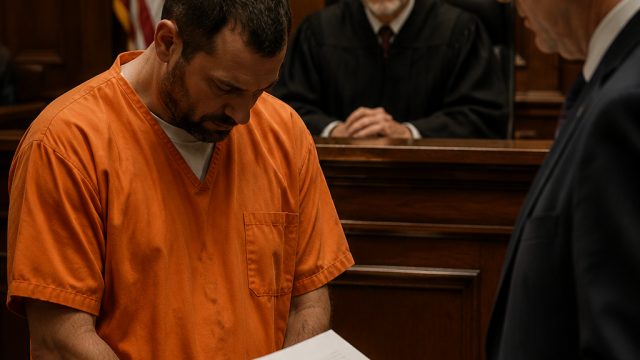
In a stunning turn of events, a former analyst from Colorado has pled guilty to charges related to a DNA testing scandal that has sent shockwaves through the legal and scientific communities. This scandal highlights critical ethical dilemmas in forensic science, raising questions about the integrity of DNA evidence used in the judicial system. With the implications of this case reverberating nationwide, it is imperative to examine what this means for the future of forensic testing.
The Fallout of the Guilty Plea
The analyst, whose identity has been disclosed in various reports, admitted to manipulating DNA test results, leading to wrongful convictions and an erosion of trust in forensic science. Such misconduct can have devastating consequences, not only for the individuals wrongly accused but also for the entire judicial process.
Impact on Wrongful Convictions
- Potentially hundreds of cases may need re-examination.
- Innocent individuals could remain in prison due to tainted evidence.
- The public's confidence in the justice system is at stake.
The repercussions of this scandal extend far beyond one analyst's actions. As forensic evidence becomes increasingly relied upon in courtrooms across the country, the integrity of such evidence is paramount. The need for rigorous oversight and accountability in labs is more urgent than ever.
Ethical Considerations in Forensic Science
Forensic science plays a critical role in solving crimes and administering justice. However, as highlighted by this scandal, ethical lapses can lead to catastrophic outcomes. The profession is now facing calls for stricter regulations and training to prevent future misconduct.
Key Ethical Issues
- Integrity of Evidence: The manipulation of DNA testing results undermines the core function of forensic science.
- Accountability: There must be consequences for unethical behavior in forensic analysis.
- Public Trust: Maintaining trust between the public and the justice system is essential for effective law enforcement.
Experts are stressing the need for comprehensive policies that ensure the reliability of forensic evidence. Without these changes, future scandals could further tarnish the reputation of forensic science and the legal system as a whole.
What Comes Next?
As the investigation continues, legal authorities are now tasked with reevaluating past cases where DNA evidence was used. This process will be complex and time-consuming, involving the review of numerous cases that could potentially hinge on faulty evidence.
Steps Forward
- Establish independent oversight committees for forensic labs.
- Implement regular audits of DNA testing processes.
- Increase transparency of forensic analysis results to the courts.
Lawmakers are being urged to take action to bolster the ethical standards in forensic science, ensuring that similar incidents do not occur in the future. The public's safety and the integrity of the justice system depend on it.
Conclusion: A Call to Action
This scandal is a clarion call for reform within forensic science. The guilty plea of the Colorado analyst serves as a stark reminder of the potential dangers posed by unethical practices in this field. As society seeks justice, it must also prioritize the integrity of the systems that support it. Moving forward, a commitment to ethical practices in forensic science will be essential to restore faith in the judicial process and ensure that justice is served fairly and accurately.
