
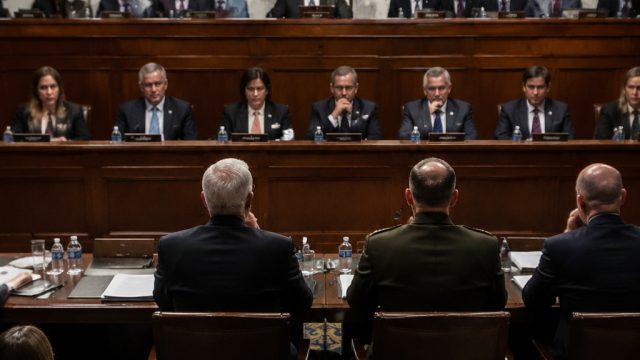
The U.S. Senate recently made headlines by passing a significant resolution aimed at curbing the military powers of the President concerning Iran. This unprecedented vote reflects a growing concern among lawmakers about unilateral military actions and the need for congressional oversight in matters of war. As tensions continue to simmer in the Middle East, understanding the implications of this legislative move is more important than ever.
Why This Vote Matters Now
In a time when geopolitical dynamics are constantly shifting, the Senate's decision to limit the President’s military powers resonates deeply within American politics. The resolution passed with support from both sides of the aisle, signaling a rare moment of bipartisanship in a divided Congress. With Iran's actions drawing international scrutiny, the implications of this decision extend beyond U.S. borders.
The Political Landscape
- Growing bipartisan concern over military interventions.
- Lawmakers advocating for greater transparency in military actions.
- The potential repercussions of unchecked executive power.
Analyzing the Resolution
The resolution seeks to restrict the deployment of troops to Iran unless Congress explicitly approves it. This legislative action is rooted in the War Powers Act of 1973, which was designed to ensure that such critical decisions undergo proper scrutiny. With four Republican senators breaking ranks to support the resolution, it underscores a shift in party dynamics regarding military engagement.
Key Components of the Resolution
- Requirement for Congressional Approval: Any military action must be sanctioned by Congress.
- Report on Military Engagement: The President must inform Congress about any troop deployments.
- Timeline for Withdrawal: Troops must be withdrawn if Congress does not approve military action within a specified timeframe.
The Broader Implications for U.S. Foreign Policy
The Senate’s vote is not merely a procedural maneuver; it reflects a broader reevaluation of U.S. foreign policy, particularly concerning military interventions. As America grapples with its role on the global stage, this legislative action may signal a more cautious approach to using military force. Observers believe that this shift could lead to a more diplomatic engagement with Iran, potentially easing tensions that have escalated over the years.
Potential Outcomes
While the resolution does not eliminate the option of military action, it does introduce a necessary layer of accountability. Some potential outcomes include:
- Increased dialogue with Iran to prevent escalation.
- Greater involvement of Congress in foreign military decisions.
- A potential reduction in military spending directed towards conflict engagement.
Conclusion: A New Era of Accountability
The Senate's decision to limit presidential military powers over Iran marks a critical moment in American politics. By advocating for greater congressional oversight, lawmakers are not only responding to constituents' concerns but are also shaping the future of U.S. foreign policy. As global tensions remain high, this move could lead to more measured and accountable military actions. The implications of this resolution extend beyond the Senate floor, signaling a potential shift in how America engages with the world and its commitment to peace through diplomatic avenues.
