
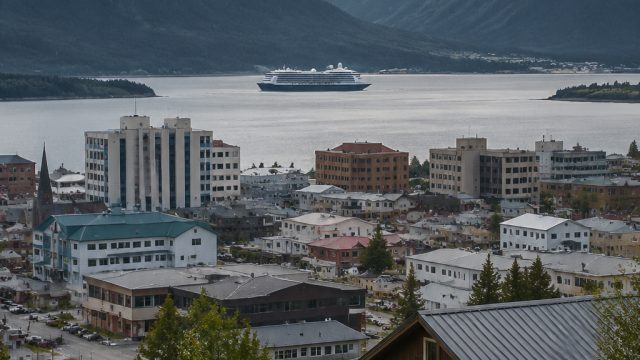
Understanding the Tax Break Dilemma in Alaska
In recent years, Alaska has been embroiled in a heated debate surrounding the effectiveness of tax breaks implemented by the government. As discussions intensify, residents and policymakers alike are starting to question the long-term impacts of these financial incentives on the state's economy.
The Growing Concern Over State Revenue
At the heart of the controversy is the concern that these tax breaks, initially designed to stimulate growth and attract businesses, may be causing more harm than good. Critics argue that the state is sacrificing vital revenue needed for public services, education, and infrastructure in favor of short-term economic gains.
Business Incentives vs. Public Welfare
Many Alaskans are becoming increasingly aware of the delicate balance that must be struck between encouraging business growth and maintaining adequate public funding. The debate centers on whether the benefits of attracting corporations through tax incentives are worth the potential drawbacks:
- Loss of essential public services
- Increased pressure on the state budget
- Shifts in economic stability
As Alaska navigates through its fiscal challenges, the question remains: are these tax breaks worth the financial trade-offs?
Recent Trends in Taxation and Economic Policy
The ongoing adjustments in Alaska's taxation policies reflect a larger trend that many states face today. The pressure to support local businesses while also ensuring that public resources are adequately funded is a challenge that has gained urgency in the current economic climate.
The Public's Reaction
Public opinion on tax breaks in Alaska is divided. Many citizens express frustration over the lack of transparency in governmental decision-making, particularly regarding how tax revenues are utilized:
- Some believe tax breaks are necessary to promote economic growth.
- Others argue that they exacerbate income inequality and negatively affect essential services.
This divide highlights the importance of engaging citizens in policy discussions and ensuring that their voices are heard in the legislative process.
The Bigger Picture: A Call for Comprehensive Reform
As Alaska continues to grapple with its fiscal policy, experts suggest that a comprehensive reform is necessary. This reform would not only address the current tax break issues but also seek to enhance the effectiveness of public spending. Suggestions include:
- Reevaluating existing tax breaks for effectiveness
- Implementing measures for greater accountability
- Involving community input in budgeting processes
Without a thoughtful approach, the state risks further economic instability and dissatisfaction among its residents.
Looking Ahead: What’s Next for Alaska?
The debate over tax breaks is just one piece of a much larger puzzle. As the state faces economic challenges, the need for innovative solutions becomes increasingly apparent. Engaging in open dialogue and seeking collaborative approaches will be critical to ensuring Alaska's financial future.
Conclusion: The Importance of Informed Decisions
As Alaska navigates its tax break dilemma, it is essential for both policymakers and the public to prioritize informed decision-making. The future of the state's economy depends not only on attracting businesses through incentives but also on ensuring that essential public services remain funded and robust. The ongoing discussions around tax policy will shape Alaska's financial landscape for years to come, underscoring the importance of balancing short-term gains with long-term sustainability.
