Key Takeaways
- The Langtang Lirung glacier collapse released energy equivalent to a magnitude 5.2 earthquake.
- Around 500 people are confirmed dead, with 2,000 still reported missing.
- The disaster severed crucial transportation links between Nepal and China.
- Hydropower facilities in the region have suffered significant damage.
- This event underscores the escalating risks of climate change in vulnerable regions.
Introduction
On August 26th, a devastating event struck Nepal as a portion of the Langtang Lirung glacier collapsed, triggering a catastrophic debris flow that has profoundly affected local communities. This incident serves as a stark reminder of the impacts of climate change, especially in regions such as Southeast Asia where glacier melt poses severe risks to densely populated areas. The collapse, releasing energy comparable to a 5.2 magnitude earthquake, sent torrents of ice and rock flowing down into the Trishuli and Bhote Koshi rivers, resulting in extensive destruction.
The Immediate Consequences
The aftermath of the glacier collapse has been dire, with reports indicating that around 500 individuals have lost their lives, and approximately 2,000 people remain unaccounted for across both Nepal and Tibet. The debris flow not only swept away homes and buried towns but also disrupted vital infrastructure. The lone highway connecting Nepal to China has been rendered impassable, isolating communities and hindering rescue operations.
Impact on Local Communities
In addition to the human toll, the disaster has severely affected local economies. Agricultural lands along the Trishuli river have been inundated, leading to concerns about food security. Furthermore, at least six hydropower facilities in the region experienced damage, jeopardizing electricity supplies for thousands and raising questions about sustainable energy practices in the face of climate change.
Broader Implications for Climate Change
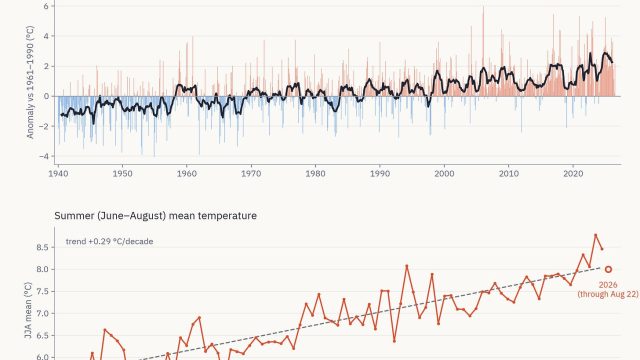
This tragic event highlights the urgent need for comprehensive climate action, particularly in vulnerable regions such as Indonesia and the wider ASEAN community. As glaciers continue to melt due to rising global temperatures, the frequency of such natural disasters is likely to increase, posing severe risks to communities, wildlife, and ecosystems.
The Role of Climate Policy
In light of recent events, policymakers must prioritize climate adaptation strategies. This includes enhancing early warning systems, improving infrastructure resilience, and fostering community awareness regarding climate risks. Moreover, international cooperation is essential to address the transboundary nature of these ecological challenges.
Community Response and Recovery Efforts
In the wake of the disaster, local and international organizations have mobilized to provide assistance. Rescue teams are tirelessly working to reach isolated areas, providing essential supplies and medical care. However, the scale of the disaster poses significant challenges to recovery efforts, with many remote communities cut off from immediate help.
Support Initiatives
Numerous NGOs are launching campaigns to raise funds and resources for affected families. It is crucial for individuals and organizations worldwide to contribute, as the recovery process will be long and arduous. Support initiatives are being established to assist in rebuilding efforts and to improve future disaster preparedness.
Conclusion
The glacier disaster in Nepal is a poignant reminder of the urgent need to address climate change and its far-reaching consequences. As global temperatures rise, the frequency of such catastrophes is likely to escalate, making it imperative for governments and organizations to prioritize sustainable practices and effective climate policies. The time for action is now, as we strive to safeguard vulnerable communities from the impacts of our changing climate.