
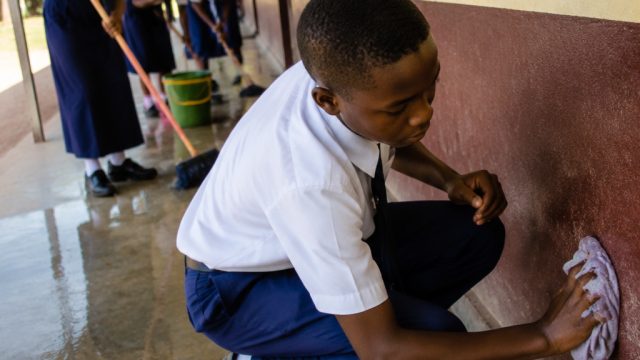
In a powerful demonstration of community engagement, Nsimbini School is experiencing a significant transformation in its hygiene practices, spurred by the recent Youth Day celebrations. This initiative emphasizes the role of young individuals in advocating for improved health standards in educational environments, making it a timely topic in today's health-conscious society.
Significance of Youth Day in Promoting Health Awareness
Youth Day is not just a celebration of young people; it serves as a platform for them to voice their opinions and drive change within their communities. At Nsimbini School, students have taken the lead in orchestrating a campaign focused on enhancing hygiene practices. This movement is not only about cleanliness but also about instilling a sense of responsibility among their peers.
The Role of Students in This Initiative
Students at Nsimbini have organized various activities aimed at promoting hygiene, demonstrating their leadership and commitment to health. Key activities include:
- Workshops: Educational sessions stressing the importance of hygiene and proper sanitation.
- Clean-Up Drives: Regularly scheduled clean-up events to maintain a hygienic school environment.
- Peer Education Programs: Students training fellow classmates on hygiene best practices.
This student-led approach not only helps in spreading awareness but also empowers them to take charge of their environment, fostering a culture of health in the school.
Community Involvement and Support
The success of the hygiene initiative at Nsimbini School is a testament to the power of collaboration between students and the local community. Parents, teachers, and local health organizations have rallied to support the students' efforts, supplying resources and expertise.
How Local Organizations Are Contributing
Community partners have played a vital role in enhancing the initiative through:
- Resource Provision: Donating cleaning supplies and educational materials.
- Expert Guidance: Providing health professionals to lead workshops and discussions.
- Awareness Campaigns: Partnering with students to launch broader health campaigns in the community.
This collaboration not only benefits students but also raises overall health standards in the community, showcasing the potential of youth-led initiatives.
Long-Term Impact on Student Health
The long-term implications of this initiative are profound. By fostering a culture of hygiene and health awareness, Nsimbini School is setting the foundation for healthier generations. Students are learning the importance of cleanliness and health in their daily routines, which can translate into lifelong habits.
Educational Outcomes Linked to Hygiene Practices
Research suggests that improved hygiene in schools can lead to better educational outcomes. Some expected benefits include:
- Increased Attendance: Fewer health-related absences due to illness.
- Enhanced Focus: Healthy students tend to perform better academically.
- Community Health Benefits: Improved hygiene can lead to lower disease transmission rates.
These benefits extend beyond the school, positively impacting families and the wider community.
Conclusion: The Path Ahead
The youth-led hygiene initiative at Nsimbini School exemplifies how young people can spearhead significant changes in their communities. By celebrating Youth Day through action, they are not just promoting cleanliness; they are fostering a sense of ownership and responsibility towards public health. As this initiative continues, it serves as a model for other schools, encouraging a nationwide movement towards better hygiene practices and community health awareness.
