
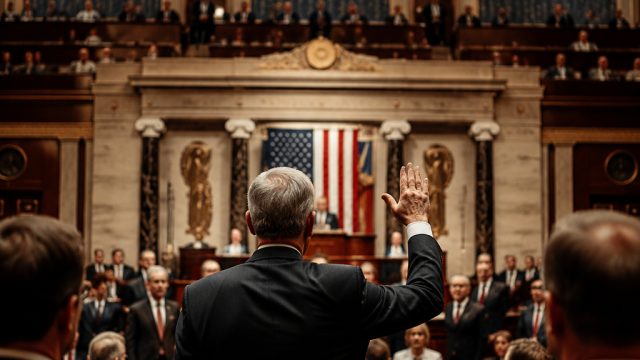
In a significant development that underscores the ongoing tension between Congress and the Executive Branch, the United States Senate has voted to limit President Trump’s military authorities concerning Iran. This bipartisan resolution reflects a critical response to the growing concerns about unchecked military engagement and the need for legislative oversight in matters of war.
The Resolution Details
On [insert date], the Senate passed a resolution aimed at curbing the President's ability to initiate military actions against Iran without congressional approval. This vote comes after a series of incidents that have heightened tensions between the two nations, raising alarms about the potential for conflict. The resolution effectively directs the President to cease hostilities, emphasizing that any further military action must be authorized by Congress.
Key Provisions of the Resolution
- Military Withdrawal: The resolution mandates the withdrawal of U.S. troops currently engaged in operations related to Iran.
- Congressional Approval Required: Future military actions must receive explicit approval from Congress, ensuring a system of checks and balances.
- Bipartisan Support: The measure received support from both sides of the aisle, highlighting a rare moment of unity in a politically polarized environment.
Why This Matters Now
The passage of this resolution comes at a pivotal time, reflecting a broader sentiment among lawmakers and the public regarding the need for transparency and accountability in military engagements. With increasing military presence in the Middle East and the looming possibility of escalation, many senators are advocating for a more restrained approach to foreign policy. This vote serves as a reminder of Congress’s constitutional role in declaring war, a power that has often been sidelined in recent years.
Public Reaction and Implications
The response to the Senate's decision has been mixed, with some praising it as a necessary step towards peace, while others argue it undermines national security. Public opinion is significantly divided on military action against Iran, and this resolution may reflect a growing desire among constituents for more direct involvement in decisions of war and peace.
Understanding the Impact on Future Military Policy
This legislative action is poised to influence not only U.S.-Iran relations but also broader military policy moving forward. By reclaiming some of its war powers, Congress may set a precedent for future administrations concerning the limits of executive power in military affairs.
Possible Outcomes Following the Resolution
- Increased Diplomatic Efforts: The U.S. may shift towards a diplomatic approach in dealing with Iran, seeking negotiations over military solutions.
- Future Legislative Actions: This could pave the way for further legislative measures aimed at defining and limiting military engagements worldwide.
- Enhanced Oversight: Congress may initiate additional reviews or hearings concerning military expenditures and actions taken without prior approval.
Conclusion
The Senate's decisive action to limit President Trump’s war powers regarding Iran is a crucial development in American politics. As the nation grapples with its foreign policy direction, this resolution not only highlights the need for congressional oversight but also reflects the public's call for a more balanced approach to military engagement. As events unfold, all eyes will be on how this resolution influences the U.S.’s actions and relationships on the global stage.
