
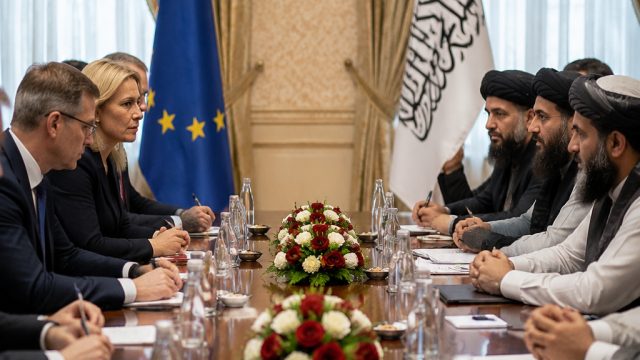
In a significant diplomatic move, representatives of the European Union (EU) have initiated closed-door discussions with the Taliban, focusing on the complex issue of deportations. This unprecedented engagement between the EU and the Taliban marks a pivotal moment in international relations, particularly in the context of migration policies and humanitarian considerations.
The Context of the Talks
Following the Taliban's return to power in Afghanistan in August 2021, concerns over human rights and the treatment of Afghan citizens have escalated. As the EU grapples with an influx of migrants from Afghanistan, the necessity to establish a structured approach to deportations has become increasingly pressing. The recent talks signify a crucial step in addressing these challenges.
Why This Matters Now
The urgency of the situation cannot be overstated. With winter approaching, thousands of Afghans are facing dire circumstances. The discussions aim to ensure that any deportations are humane and consider the safety and rights of those involved.
Key Issues on the Agenda
During these discussions, several critical topics are anticipated to be on the table:
- Human Rights Considerations: Ensuring that deported individuals are not subjected to persecution or violence upon their return.
- Legal Framework: Establishing a clear legal basis for deportations that complies with international law.
- Future Cooperation: Exploring the potential for ongoing dialogue between the EU and Taliban regarding migration issues.
Humanitarian Concerns
Amid these talks, humanitarian organizations have raised alarms over the potential risks faced by deportees. Reports suggest that many Afghans fear returning to a regime that has imposed severe restrictions on personal freedoms, particularly for women and minorities. Addressing these concerns is vital for the EU to maintain its commitment to human rights.
Impact on Migration Policy
The outcome of these talks could have far-reaching implications for migration policies within the EU. As many member states juggle rising numbers of asylum seekers, finding a balance that upholds human rights while managing border security is crucial. An effective agreement with the Taliban may set a precedent for how other nations approach similar situations.
Potential Outcomes
While the specifics of the negotiations remain confidential, there are several potential outcomes that could arise:
- Agreements on Safe Returns: An established process for the safe return of Afghan migrants.
- Support for Refugees: A commitment from the Taliban to protect the rights and safety of returnees.
- Enhanced Cooperation: Frameworks for ongoing discussions regarding migration and human rights issues.
Conclusion
The recent closed-door talks between the EU and the Taliban represent a significant development in international diplomacy regarding migration. As the world watches closely, the implications of these discussions could reshape the landscape of deportation policies not only in Europe but also for other countries facing similar challenges. As this situation evolves, it will be critical for stakeholders to prioritize human rights and humanitarian concerns to foster a more equitable approach to migration.
