
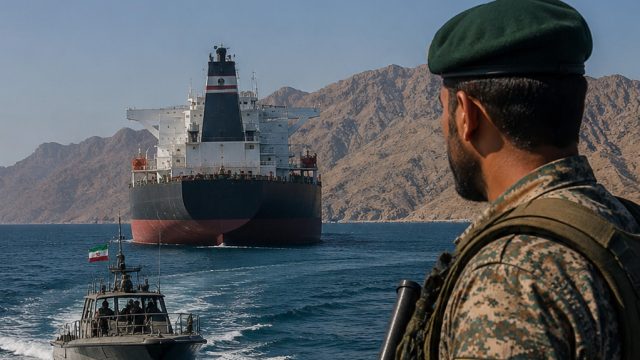
The Strait of Hormuz, a vital artery for global oil shipments, is witnessing increasing tension as Iran intensifies its efforts to assert control over the waterway. With a significant portion of the world's oil passing through this narrow strait, recent developments raise critical questions regarding maritime security and international trade.
Recent Developments in the Strait of Hormuz
As of today, the Strait of Hormuz has become a focal point of geopolitical strife, with reports indicating that Iran has made moves to limit access to this crucial passage. Shipping traffic has been notably affected, prompting concern among international shipping companies over the reliability of this route.
Shipping Traffic and Iran's Strategy
- Increased Surveillance: Iran has ramped up its naval presence in the region, conducting patrols and surveillance operations.
- Closure Announcements: Reports suggest that Iran has declared parts of the strait closed, citing security concerns.
- Negotiation Stalemates: Iran's conditions for reopening the strait include demands from international powers regarding its nuclear program.
The implications of these actions are profound, affecting not just the immediate region but also global oil prices and supply chains.
The Global Impact of Iran's Control
The repercussions of Iran's maneuvers extend far beyond the Persian Gulf. With oil prices already fluctuating in response to geopolitical tensions, analysts warn that any prolonged disruption could lead to significant economic fallout worldwide.
Oil Market Reactions
Market analysts are closely monitoring the situation as speculation mounts over potential disruptions to oil supplies. Historically, when tensions rise in the Strait of Hormuz, oil prices tend to spike, leading to broader economic implications. Key factors influencing the market include:
- Supply Chain Disruptions: Shipping routes being threatened could lead to delays in oil deliveries.
- Investor Sentiment: Speculation about military action or further sanctions can lead to increased volatility in oil prices.
- Global Demand Fluctuations: A significant rise in oil prices could dampen economic growth in oil-importing nations.
Future of Maritime Security in the Region
With Iran's assertive stance, the future of maritime security in the Strait of Hormuz is uncertain. The international community, particularly countries reliant on oil imports, are watching closely as tensions escalate.
Potential International Responses
In light of Iran’s actions, several responses are anticipated from the global community:
- Increased Naval Presence: Countries may deploy naval forces to ensure the safety of shipping lanes.
- Diplomatic Efforts: Renewed discussions may take place to address the ongoing threats posed by Iran's actions.
- Sanctions Pressure: There may be calls for more stringent sanctions against Iran to deter its aggressive posturing.
As the situation develops, the importance of maintaining freedom of navigation in the Strait of Hormuz cannot be overstated.
Conclusion: A Critical Waterway Under Threat
The current situation in the Strait of Hormuz is a reminder of the delicate balance between regional stability and international interests. With Iran's recent moves, the stakes are high for global shipping and oil markets. Stakeholders from various sectors must stay informed and prepared for potential shifts in this critical waterway. As tensions continue to rise, the world watches closely, recognizing that the Strait of Hormuz remains a cornerstone of international trade and energy security.
