
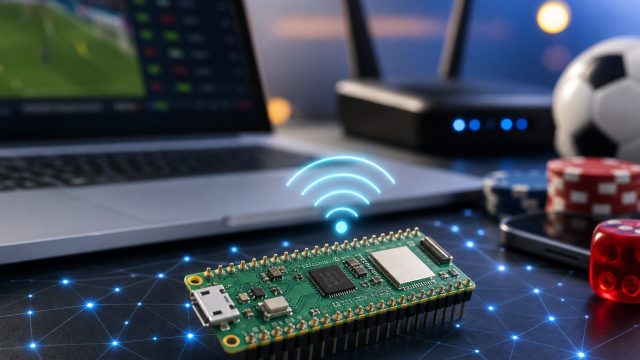
The Raspberry Pi Pico W has emerged as a versatile tool for tech enthusiasts and developers alike. With its recent upgrade to include wireless capabilities, it opens the door to a world of possibilities, particularly the ability to serve as a USB Wi-Fi adapter. In an age where staying connected is more vital than ever, leveraging this small, cost-effective gadget can enhance your device's connectivity without breaking the bank.
Why Use the Raspberry Pi Pico W as a Wi-Fi Adapter?
As more devices connect to the internet, having a reliable and efficient Wi-Fi connection is crucial. The Pico W can bridge the gap for devices lacking built-in wireless capabilities, making it invaluable for various applications.
- Cost-Effective Solution: Instead of purchasing a new device, repurposing your Pico W saves money while enhancing functionality.
- Portable and Lightweight: The compact nature of the Pico W makes it easy to transport, allowing for connectivity on the go.
- Customizable Features: With programmable capabilities, users can tailor the functionality to suit specific needs.
Setting Up Your Pico W as a USB Wi-Fi Adapter
To transform the Raspberry Pi Pico W into a Wi-Fi adapter, follow these simple steps. This process requires basic knowledge of microcontrollers and programming.
Required Materials
- Raspberry Pi Pico W
- Micro USB cable
- Computer with Python installed
- Access to the Raspberry Pi Pico W firmware
Installation Steps
- Firmware Setup: Start by downloading the firmware that will enable Wi-Fi features on your Pico W. Ensure you have the latest version for optimal performance.
- Connection: Connect your Pico W to your computer using the micro USB cable.
- Programming: Use a simple script to configure your Pico W to detect Wi-Fi networks. The script will include parameters such as SSID and password.
- Testing: After programming, use your computer to test the connection. Ensure that your Pico W is recognized as a Wi-Fi adapter.
Practical Applications of a Wi-Fi-Enabled Pico W
The possibilities of using your Raspberry Pi Pico W as a Wi-Fi adapter are endless. Here are some practical applications:
- Internet of Things (IoT) Projects: Use the Pico W to connect various IoT devices to the internet, facilitating automation and data collection.
- Remote Monitoring: Set up your device to monitor environmental conditions, such as temperature or humidity, and receive data remotely.
- Custom Networking: Create a personalized network for devices that don't support Wi-Fi, ensuring seamless connectivity.
Conclusion
The Raspberry Pi Pico W is more than just a microcontroller; it is a gateway to enhanced connectivity. With its ability to serve as a USB Wi-Fi adapter, it empowers users to repurpose old devices, create new projects, and explore the vast world of wireless technology. As the demand for connectivity continues to rise, utilizing the Pico W in creative ways ensures it remains relevant in the tech landscape. Get started today and unlock the potential of your Raspberry Pi Pico W as a Wi-Fi adapter!
